
Fintech in Dubai has moved from promise to scale. In September 2026 Dubai was ranked first in the world for fintech in the 40th Global Financial Centres Index, and the Dubai International Financial Centre (DIFC) now hosts nearly 2,000 AI, fintech and innovation firms. This guide explains how the UAE fintech market works in 2027: who regulates what, where companies set up, how payments and open finance are changing, and what it all means if you are building, investing or banking in the region.
Facts checked on 15 October 2026. Rules and figures change quickly, so confirm the details with the regulator or the source before you act on them. This guide is not legal advice.
In this article
Why fintech in Dubai matters in 2027
Dubai’s standing as a financial centre has risen fast. In the 40th Global Financial Centres Index, published in September 2026, the city was ranked first in the world for fintech and ninth overall, Khaleej Times reported.
The numbers on the ground back that up. At the end of the first half of 2026 the DIFC had 10,018 active companies, the first time it passed 10,000. They included 1,933 AI, fintech and innovation firms, up 39% on a year earlier, and 361 new companies joined the centre’s Innovation Hub in those six months, according to the Dubai Media Office.
Investors have followed. UAE startups raised US$1.2 billion across 83 deals in the first half of 2026, around 70% of all startup funding in the Middle East and North Africa, and fintech was the country’s top sector with US$409 million across 20 deals, according to Wamda.

Who regulates fintech in Dubai and the UAE
Dubai fintech companies can fall under federal regulators, emirate-level regulators or the regulator of a financial free zone, depending on what they do and where they are licensed. In practice, the first question is usually whether you will operate onshore in the UAE or inside the DIFC.
| Regulator | Where | What it covers |
|---|---|---|
| Central Bank of the UAE (CBUAE) | Federal (onshore UAE) | Banks, insurers, payment systems, remittance providers and exchange houses, plus payment tokens such as dirham stablecoins |
| Dubai Financial Services Authority (DFSA) | The DIFC | Financial services in or from the DIFC, including banking, asset management, funds, insurance, Islamic finance and exchanges |
| Virtual Assets Regulatory Authority (VARA) | Dubai, including its free zones but not the DIFC | Virtual asset activities, under Dubai Law No. 4 of 2022 |
| Capital Market Authority (CMA) | Federal | Securities and capital markets; it replaced the Securities and Commodities Authority on 1 January 2026 |
| Financial Services Regulatory Authority (FSRA) | Abu Dhabi Global Market (ADGM) | Financial services in Abu Dhabi’s international financial centre, including digital assets |
Sources: the CBUAE, the DFSA and VARA, and law firm CMS on the move from the SCA to the CMA.
The rulebook is still changing. According to law firm Hadef & Partners, the new Central Bank Law, Federal Decree-Law No. 6 of 2025, came into force on 16 September 2025. It brings some virtual-asset payment tokens, decentralised finance and the technology behind financial services within the CBUAE’s remit, and gave firms a year to comply.
Where fintechs set up: the DIFC, sandboxes and Abu Dhabi
The DIFC Innovation Hub is the best-known home for fintech in Dubai. It offers innovation and AI licences, and its focus areas include fintech, insurtech, regtech and Islamic fintech. Being in the DIFC also means working within a common law framework with its own courts, under a regulator, the DFSA, that publishes its rules in English.
Firms that want to test a regulated product can apply for the DFSA’s Innovation Testing Licence, its regulatory sandbox. Testing usually lasts 12 months, with limits on clients and volumes, after which a firm either moves to a full licence or withdraws.
Onshore, the CBUAE set up its FinTech Office in 2020. It runs a regulatory sandbox and a joint sandbox with the free zones, which helps companies that want to serve customers across the UAE rather than from a single free zone.
Many UAE fintech founders also look at Abu Dhabi. Hub71, the emirate’s tech ecosystem, says its community of 390 startups has raised more than US$2.7 billion since 2019, including US$599 million in 2025 (Gulf Business). ADGM reported 13,974 active licences and 392 financial services entities in the first half of 2026.
Payments and open finance: the UAE’s new rails
Much of the change in UAE fintech comes from the central bank’s own infrastructure. The CBUAE launched its Financial Infrastructure Transformation (FIT) programme on 12 February 2023 with nine initiatives, including a domestic card scheme, instant payments, a central bank digital currency, open finance and eKYC. Here is where the main pieces stand:
- Aani instant payments. The platform has more than 12.5 million users and 74 connected institutions, and transfers take three seconds on average, the CBUAE said in April 2026. It is run by Al Etihad Payments, a CBUAE subsidiary.
- Jaywan cards. Jaywan is the UAE’s first domestic card scheme. Banks began issuing Jaywan cards to customers in stages from 20 July 2026, with FAB and Commercial Bank of Dubai among the first, The National reported.
- Open finance. The UAE’s Open Finance Regulation was published on 15 April 2024 and is being phased in by the CBUAE (Clifford Chance). The framework is branded Al Tareq and runs on a national platform called Nebras; Lean Technologies and Ziina made the first live customer-initiated open finance payment, Gulf Business reported in January 2026.
- Digital Dirham. The CBUAE’s central bank digital currency has completed a real-value retail pilot (Khaleej Times), but as of May 2026 no retail launch date had been announced, Gulf News reported.
For Dubai fintech companies, these rails matter. Instant payments lower the cost of moving money, a domestic card scheme changes the economics of card acceptance, and open finance makes customer account data portable with consent. Startups that build on these rails early can offer services that were hard to deliver a few years ago.
Virtual assets and stablecoins in Dubai
Dubai set up a dedicated regulator for virtual assets in 2022. VARA was established in March 2022 and regulates virtual asset activity across Dubai, including its free zones but excluding the DIFC. It issued version 2.0 of its rulebooks on 19 May 2025, tightening rules on margin trading and token distribution.
At federal level, the CBUAE’s payment token rules have applied since 31 August 2024. Issuers of dirham-backed stablecoins must be licensed and keep reserves separate, algorithmic stablecoins are banned, and foreign tokens cannot be used to pay for goods and services in the UAE. AE Coin was approved in December 2024, Zand launched “Zand AE” in November 2025 and RAKBANK received initial approval in January 2026, according to Gulf News.
Digital banks and Islamic fintech
Digital banks are now an established part of UAE fintech. Wio Bank, owned by ADQ, Alpha Dhabi, e& and First Abu Dhabi Bank, reported 2025 revenue of AED1.24 billion, up 55%, and net profit of AED622 million, with more than 270,000 personal and 120,000 business customers, Entrepreneur Middle East reported from the bank’s own figures. Zand received a full commercial banking licence in June 2022 and started with corporate clients (Gulf News).
Islamic fintech is a distinctive strength of the market. Ruya, a digital Islamic “community bank” licensed by the CBUAE, is headquartered in Ajman (Khaleej Times). In the DIFC, more than US$100 billion of sukuk is listed, and the DFSA reports growing interest in tokenising sukuk as it consults on updated Islamic finance rules (Khaleej Times). Banks are also bringing Sharia-compliant services onto the new rails: Abu Dhabi Islamic Bank has rolled out open finance services under Al Tareq, Gulf News reported.
Setting up a fintech in Dubai: a simple roadmap
Every company’s path is different, but most founders work through the same questions in roughly this order. Treat it as a checklist for conversations with your lawyers and the regulator, not as a substitute for them.
- Define the regulated activity. Payments, lending, custody, advice, virtual assets and insurance each sit with different rules. Write down exactly what your product does with customer money or data.
- Match it to a regulator and a location. Use the table above to see whether the activity falls under the DFSA in the DIFC, VARA, the CBUAE onshore or the FSRA in ADGM.
- Choose your route to market. A sandbox or innovation licence lets you test with limited customers; a full licence takes longer but removes the limits.
- Plan banking and compliance early. You will need a bank account, anti-money-laundering controls and data protection policies before you can serve customers.
- Budget for time. Licensing, hiring and banking partnerships rarely run to the original plan, so build in a buffer before launch.
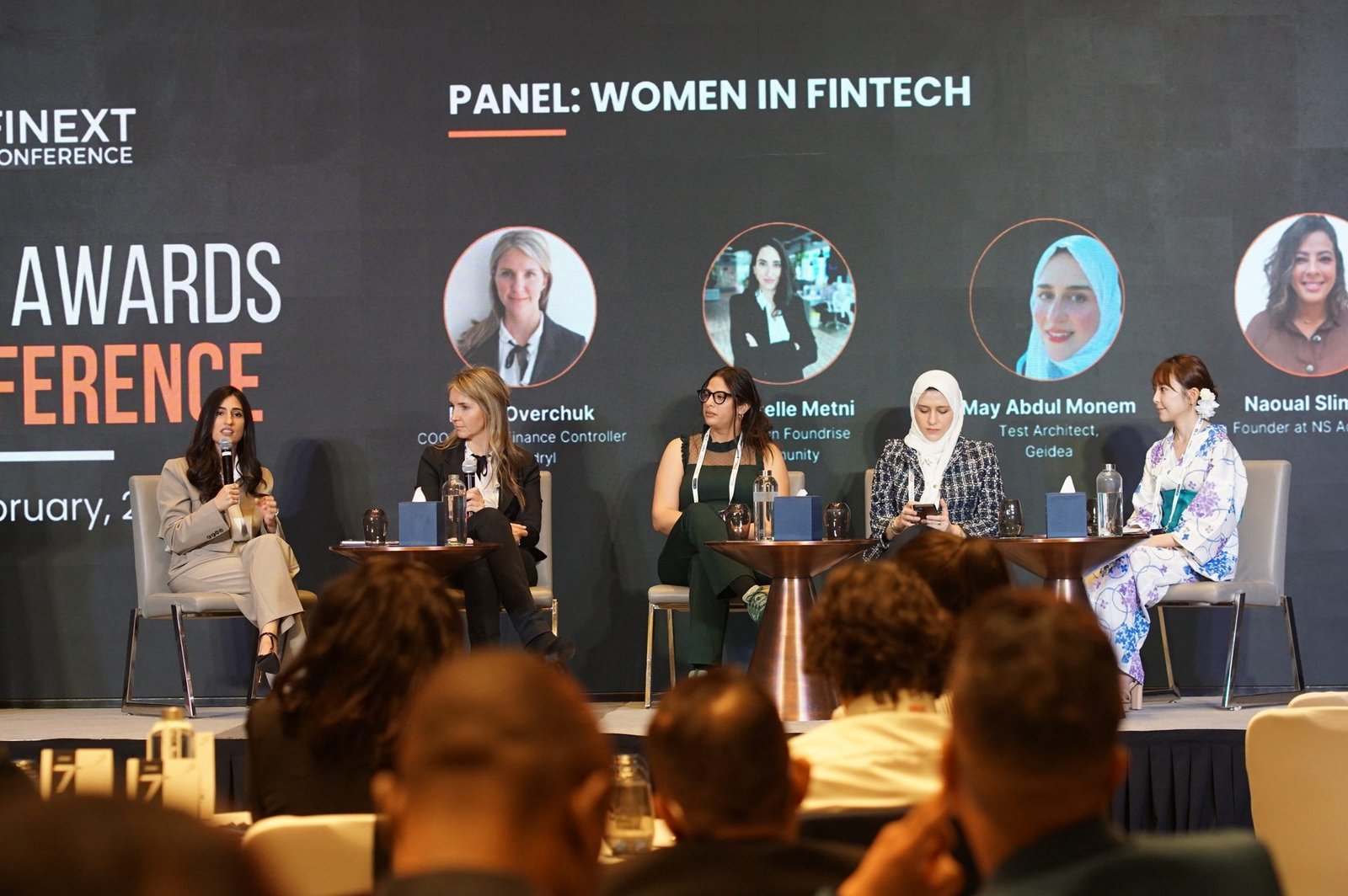
Talking to people who have done it recently is often the fastest way to avoid mistakes, which is one reason founders value events where regulators, bankers and other founders are in the same room.
What it means for founders, investors and banks
- Founders: decide early between the DIFC, onshore UAE and ADGM, because it shapes your regulator, your licence path and which customers you can serve. Use a sandbox if your product is regulated and new, and look at Aani and open finance before you build your own payment plumbing.
- Investors: fintech was the UAE’s largest startup sector by funding in the first half of 2026, and regulatory clarity on payments, virtual assets and stablecoins keeps improving. Due diligence should still check each company’s licence status closely.
- Banks: open finance, instant payments and a domestic card scheme change how banks compete and partner. Many will buy, build or partner with fintechs to keep up.
- Everyone: the rules are moving, from the new Central Bank Law to the switch from the SCA to the CMA. Take legal advice before you launch or invest.
Meet the Dubai fintech community at FinNext Dubai 2027

FinNext Dubai brings founders, investors and bankers from across the Middle East and Africa together on 7 October 2027 for keynotes, investor meetings and the FinNext Awards. Its programme focuses on Gulf digital banking, Islamic fintech, virtual assets and cross-border payments, and the Islamic Fintech Award is part of the Dubai edition only.
The first confirmed speakers include Sahel Al Rousan, Senior Economic Advisor at the UAE Ministry of Finance, and Mustafa Al Khalfawi, Chief Executive Officer of Ajman Bank. Get your pass, nominate for the FinNext Awards, or see our list of the top fintech events in the UAE to plan your year.
Fintech in Dubai: frequently asked questions
Who regulates fintech in Dubai?
It depends on the activity and the location. The DFSA regulates financial services in the DIFC, VARA regulates virtual assets in the rest of Dubai, the CBUAE oversees banking, payments and payment tokens onshore, and the Capital Market Authority covers securities at federal level.
Is Dubai a good place to start a fintech company?
Dubai offers strong regulators, sandboxes, a growing pool of investors and new payment infrastructure, and it was ranked first for fintech in the 40th Global Financial Centres Index. Costs, competition and licensing timelines are real, so plan your licence route and budget early.
What is the DIFC Innovation Hub?
It is the DIFC’s community for fintech, insurtech, regtech, Islamic fintech and AI companies, offering innovation and AI licences. In the first half of 2026, 361 new companies joined it.
Has the Digital Dirham launched?
Not for the general public. The CBUAE has completed a real-value retail pilot, but as of May 2026 no retail launch date had been announced.
When is FinNext Dubai 2027?
FinNext Dubai takes place on 7 October 2027 in Dubai, United Arab Emirates. The venue will be announced on the edition page and emailed to registered attendees.