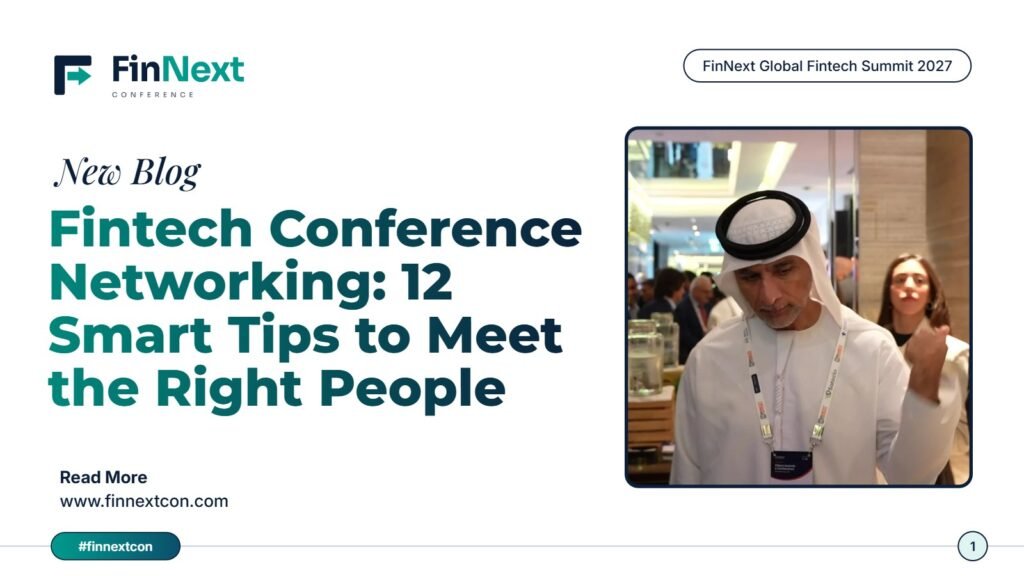
Fintech conference networking is where most of the value of an event is made. Keynotes are useful, but the conversation that leads to a pilot, a term sheet or a new hire usually happens in a corridor, over lunch or in a booked 20-minute slot. These 12 smart tips will help founders, investors and bankers plan ahead, work the room and follow up, so the right conversations turn into results.
We run FinNext, a one-day fintech summit with editions in Dubai, London and Singapore, so we see what works from both sides of the registration desk. The advice applies to any fintech event, large or small.
In this article
Why networking is the real return on a fintech conference
A pass, travel and a day away from the office add up quickly. The talks will be summarised online within a week; the people in the room will not. That is why the most useful way to judge an event is by the meetings it produces and the relationships that continue afterwards.
Good networking is not about collecting business cards. It is about leaving with a short list of people you will speak to again, and a clear next step with each of them. Everything below is built around that idea.
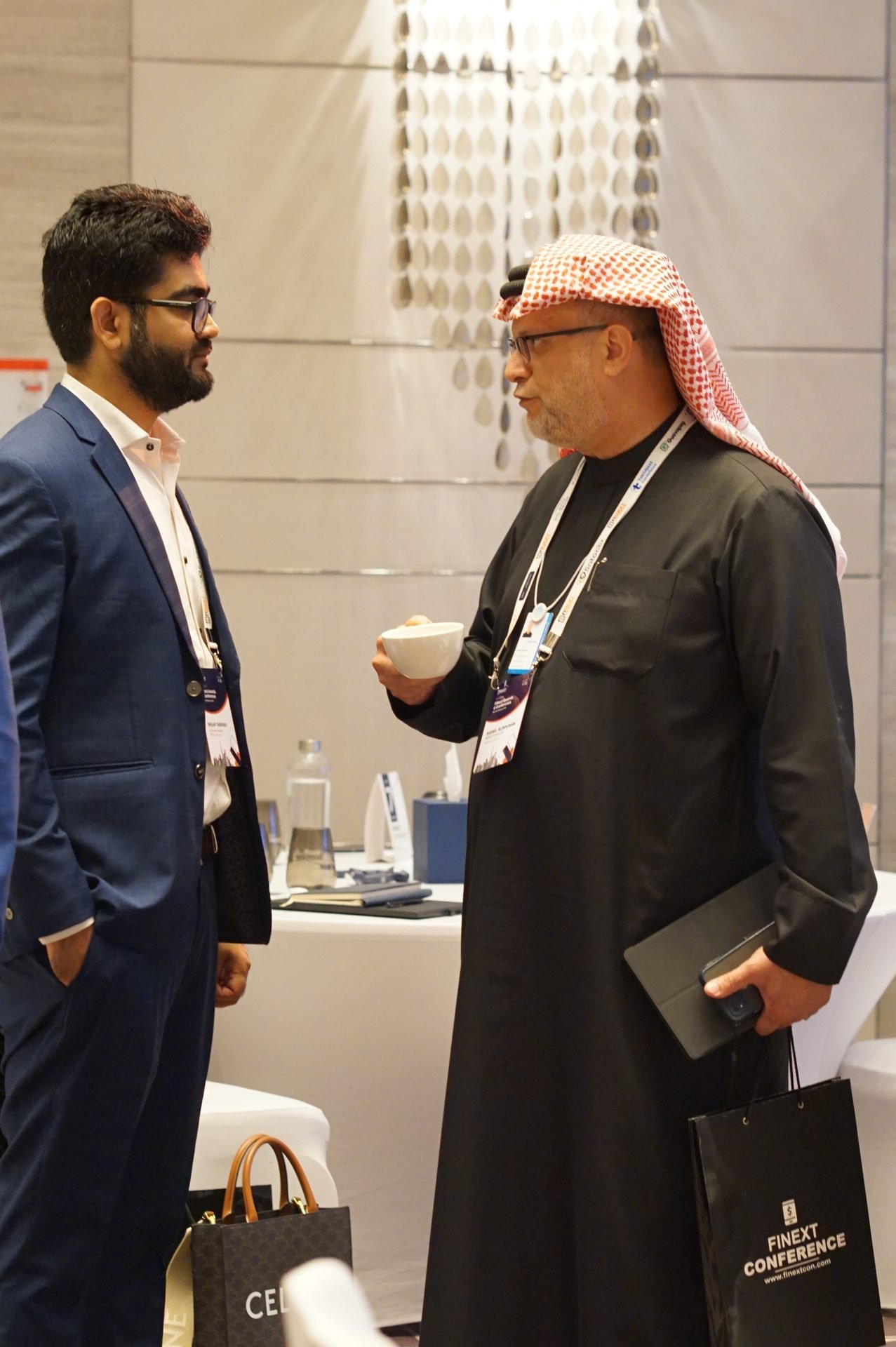
Before the event: 4 tips
1. Set one clear goal for the day
Decide what a successful day looks like before you book travel. A founder raising a seed round might aim to meet five investors who back companies at that stage. A bank’s innovation lead might want a shortlist of three vendors for a payments project. An investor might want ten founder conversations within one thesis.
Write the goal down. It decides which sessions you attend, who you approach and when you can leave the coffee queue and get back to work.
2. Research the speakers and the attendee mix
Read the speaker line-up, the sponsor list and the agenda, and look at who has said they are attending on the event’s social pages. Build a target list of ten to fifteen people, each with one line on why you want to meet them. At FinNext, the Speakers page and the agenda are the best places to start.
3. Book investor meetings and one-to-ones early
The best calendars fill up weeks before the doors open. Message the people on your list a week or two ahead with a short, specific request: who you are, why them, and a suggested time. Keep it under 100 words and make it easy to say yes.
A simple pattern: “Hi Sara, I’m the founder of a B2B payments startup in Dubai. I saw your fund backs embedded finance at seed stage. We’ll both be at FinNext Dubai on 7 October; could we meet for 15 minutes at the 11:00 break?” FinNext sets aside time for investor meetings and founder introductions at every edition, so use it.
4. Prepare a 30-second introduction
Prepare two versions of your introduction. The first is one line for busy corridors: who you are and what you do, in words a banker, an investor and an engineer would all understand. The second is a 30-second version that adds one result and one thing you are looking for.
Practise both out loud. If you stumble on a word, change it. Drop acronyms unless your listener uses them first.
At the event: 5 tips
5. Arrive early and use the quiet moments
Registration and the first coffee break are the least crowded parts of the day, and people are fresh and open to conversation. Speakers are often easier to approach before their session than straight after it, when a queue forms. If you have a target list, these are the moments to work through it.
6. Ask better questions
The quickest way to stand out is to be interested rather than interesting. Swap “What do you do?” for questions that get people talking about what matters to them:
- “What are you trying to solve this year?”
- “What brought you to this event?”
- “Which session has been most useful so far, and why?”
- “Who else here should I be talking to?”
Listen for a problem you can help with. That is your reason to follow up, and it is far stronger than a generic “let’s stay in touch”.
7. Use the sessions as conversation starters
Sit near the front and ask a short, sharp question in the Q&A, introducing yourself in one line as you do. It puts your name in front of the whole room. Afterwards, refer to a point from a panel when you approach a speaker or another attendee: “You said open finance adoption depends on trust. How are you handling that?” is a better opener than a pitch.
8. Make the most of the showcase and the awards
A startup showcase is the fastest way to see many products in a short time, and a good place for investors and bank teams to scout. Awards ceremonies gather some of the most senior people at an event in one room, and the reception afterwards is often the most relaxed networking of the day. At FinNext, the FinNext Awards ceremony closes every edition.
9. Take notes straight away
After each conversation, take thirty seconds to note the person’s name, company, what they need and the next step you agreed. By the evening reception, faces and conversations start to blur. Notes written on the day make your follow-up specific, and specific follow-ups get replies.
After the event: 3 tips
10. Follow up within 48 hours
Send your follow-up while the conversation is still fresh for both of you. Mention where you met, the point you discussed and the next step you agreed. Keep it short, and attach only what they asked for.
11. Send something useful
The strongest follow-ups give before they ask: an introduction to someone on your list, an article that answers a question they raised, or the data they wanted to see. It shows you listened, and it makes the next conversation easier.
12. Plan the next touchpoint
Book the call while you are writing the email, add the contact to your CRM with your notes, and decide where you will meet next. Many fintech professionals plan their year around a few anchor events. In 2027, FinNext Dubai (7 October) and FinNext London (13 October) are six days apart, so you can keep conversations moving across two regions in one week.
Use LinkedIn and the event app for networking
Much of the groundwork for good networking now happens online. A week before the event, update your LinkedIn headline so it matches your one-line introduction, then post that you will be attending, with one sentence on who you hope to meet. People scan attendee lists and social posts to plan their own day, and a clear post makes you easy to find.
If the event has an app or a meeting platform, complete your profile, add a photo and list two or three topics you want to discuss. Reply to meeting requests quickly, even when the answer is no. On the day, use the app to confirm times and places, because plans change between sessions.
Networking tips if you find events draining
Not everyone enjoys walking up to strangers, and you do not have to work the whole room to have a good day. Pre-booked meetings do much of the work for you, because both sides already know why they are talking.
- Arrive early, when groups are smaller and easier to join.
- Look for people standing alone; they are usually glad to be approached.
- Join groups of three rather than pairs, which are often mid-conversation.
- Set a target, such as three good conversations before lunch, then take a break.
- Ask a question in a session, and people will often come to you afterwards.
Quiet networking is still networking. A few thoughtful conversations with clear follow-ups beat a pocket full of cards from people you will not remember.
Fintech conference networking by role
The basics are the same for everyone, but the goal changes with your role. Here is where to focus.
| Role | Main goal | What pays off |
|---|---|---|
| Founders | Investors, pilots and partners | Lead with traction, not a product tour, and ask for one specific next step |
| Investors | Deal flow and co-investors | Share your thesis in advance so the right founders find you |
| Bankers and BFSI leaders | Partners, vendors and talent | Share the problem you are solving, and you will hear better pitches |
| Technology providers | Buyers and integration partners | Qualify quickly, respect people’s time and book a proper demo for later |
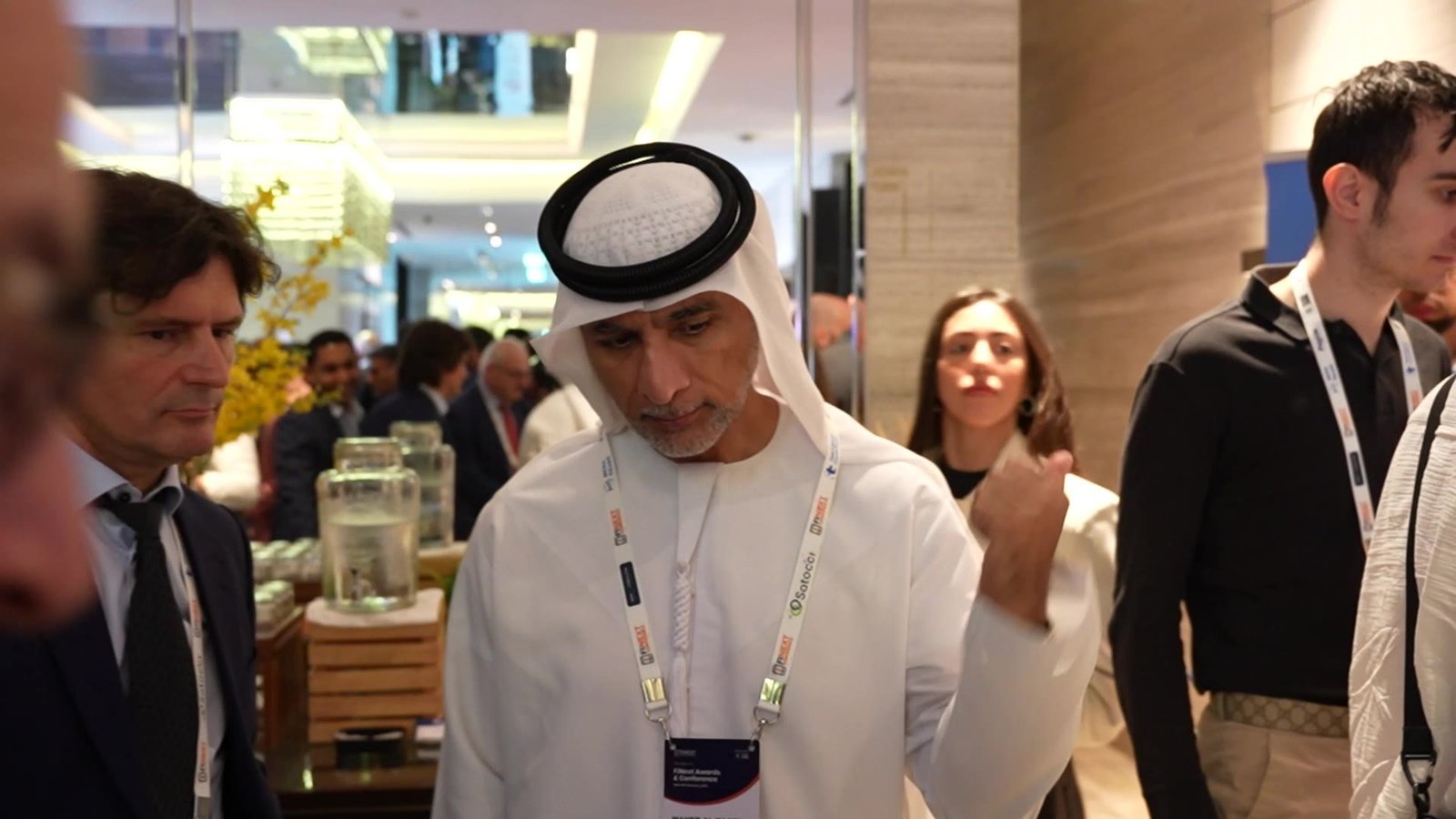
Whatever your role, remember that the person in front of you is also there to meet people. Keep conversations to ten or fifteen minutes, agree the next step and let them move on. People remember those who respect their time.
Your fintech conference networking checklist
- One clear goal for the day, written down.
- A target list of 10 to 15 people, with a reason for each.
- Meetings booked a week or two before the event.
- A one-line and a 30-second introduction, practised out loud.
- Three good questions ready to ask.
- A charged phone, your LinkedIn QR code and a few business cards.
- Notes after every conversation.
- Follow-ups sent within 48 hours, each with a next step.
Travelling to FinNext 2027: practical notes
FinNext 2027 runs in Dubai on 7 October, London on 13 October and Singapore on 24 November. Each edition is ticketed separately, and name changes are free up to 48 hours before the event. If you are travelling, check entry rules early on the official government sites:
- United Kingdom: check if you need a UK visa on GOV.UK.
- United Arab Emirates: visa information on the UAE government portal.
- Singapore: check if you need an entry visa with the Immigration & Checkpoints Authority.
Book hotels early: October and November are busy months for events in all three cities.
Fintech conference networking: frequently asked questions
How many people should I aim to meet at a fintech conference?
Quality beats quantity. At a one-day event, five to ten meaningful conversations, each with a clear next step, is a good result for most people.
How do I approach an investor at an event?
Ideally, book a short meeting in advance. If you meet by chance, introduce yourself in one line, mention your traction, and ask whether a 15-minute call next week would be useful. Do not launch into a full pitch in a corridor.
Should I still bring business cards?
Bring a few, but most people now swap contacts on LinkedIn or by QR code. Make sure your profile headline matches the introduction you give in person.
What should a follow-up email say?
Where you met, what you discussed, the next step you agreed and anything you promised to send. Three or four sentences are usually enough.
Does FinNext help with investor meetings?
Yes. FinNext sets aside time for investor meetings and founder introductions at every edition, alongside keynotes, panels, a startup showcase and the FinNext Awards.
Join us at FinNext 2027
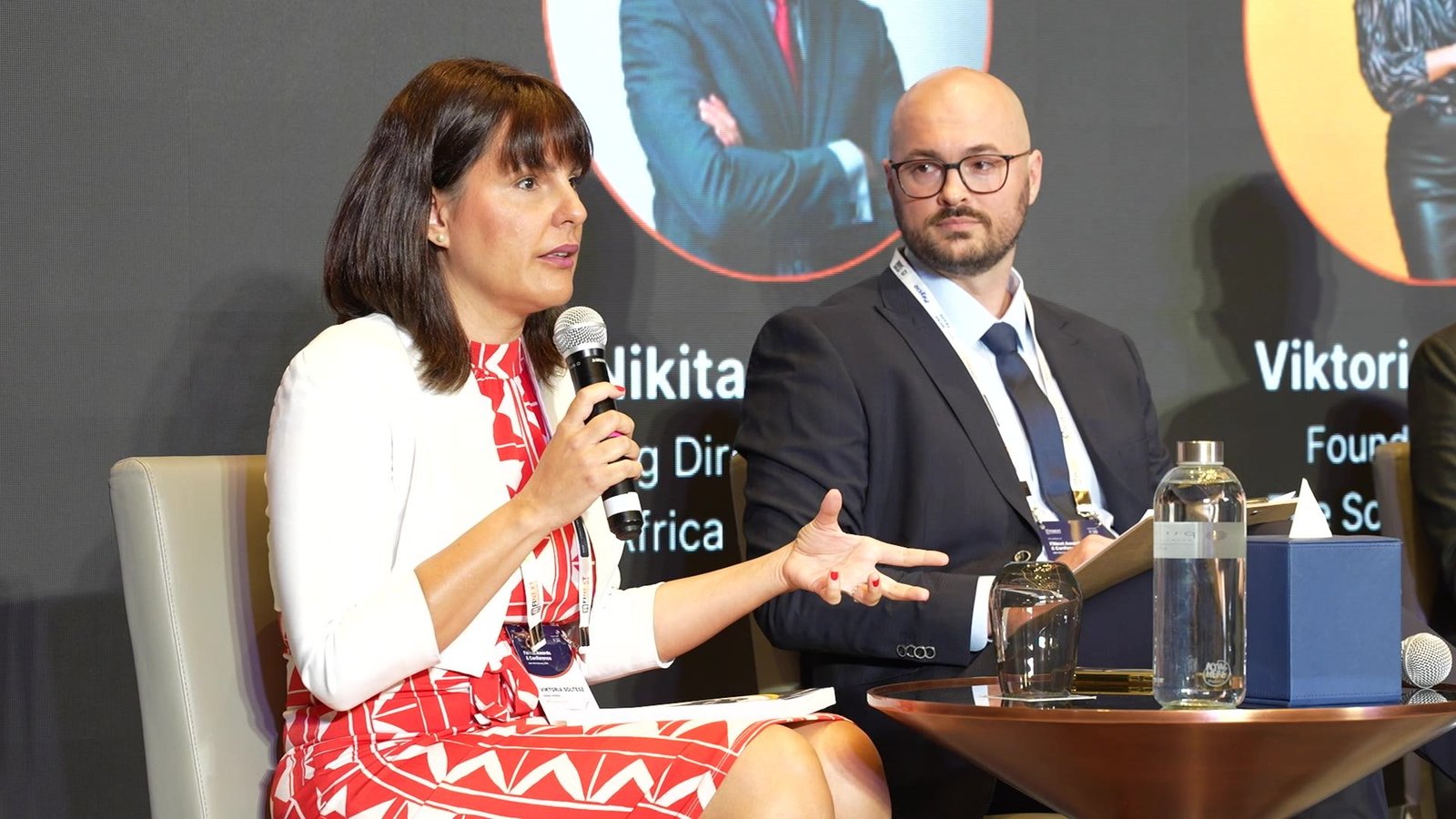
Put these networking tips to work at FinNext 2027. Get your pass for Dubai, London or Singapore, apply to speak, or read our guide on how to choose the right fintech conference for your goals.